
Image
From The Plant Press, Vol. 28, No. 3, July 2025.
By Jun Wen and Gary Krupnick

In a recent article in the journal Frontiers in Plant Science (https://doi.org/10.3389/fpls.2025.1580648), the grape team led by Botany Curator Jun Wen (along with A. Quintanar Castillo and M.R. Pace from Universidad Nacional Autónoma de México, Z.L. Nie from Jishou University, China, and fellow Smithsonian botanists A. Talavera, L. Sparreo, G. Johnson, and G.A. Krupnick) reported a new grape subgenus, Vitis subgenus Rojovitis, endemic to Mexico. The discovery was based on recent fieldwork, phylogenomic analyses using both nuclear and plastid genomes, as well as morphological comparisons. The new subgenus was inferred to have diverged early in the evolutionary history of the grape genus Vitis, yet phylogenomic analyses support an early hybridization event as the likely mechanism in its origin.

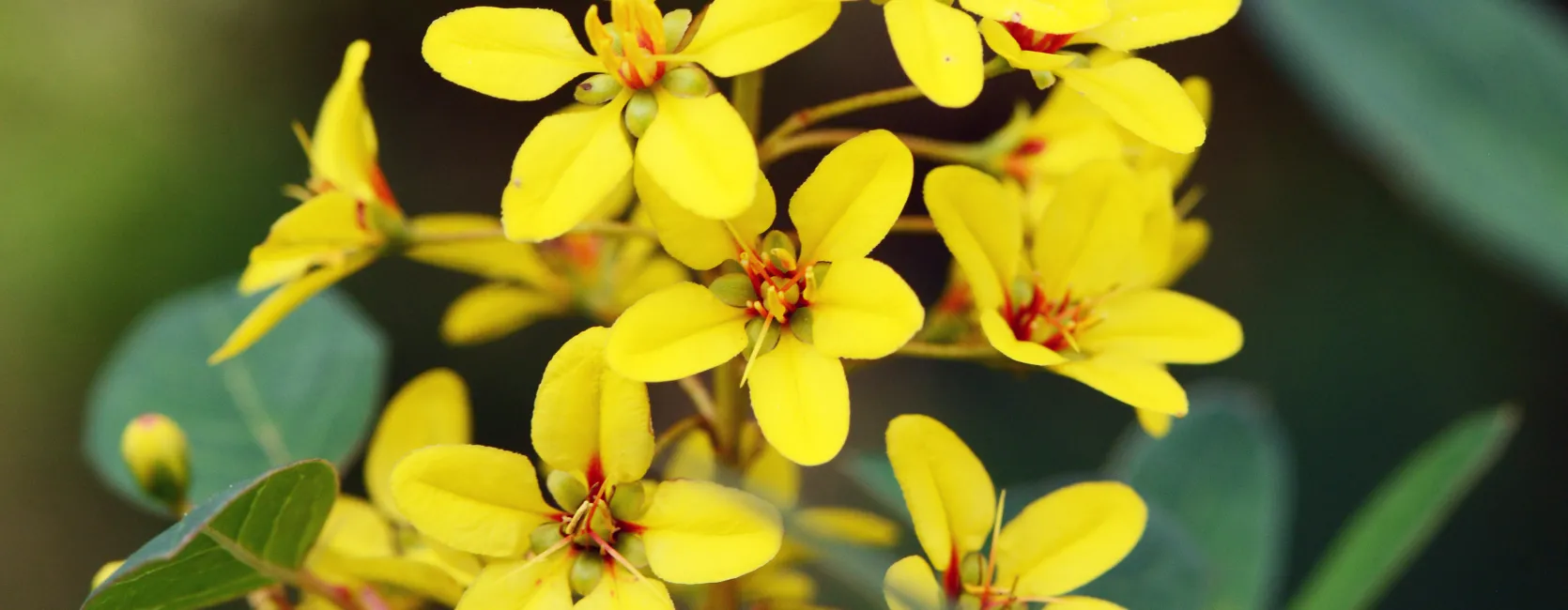
The researchers shows that subgenus Rojovitis contains two species, Vitis martineziana from Chiapas and V. rubriflora from Jalisco, both new to science. In comparison to the two other subgenera of the grape genus (subgenus Vitis and subgenus Muscadinia), Rojovitis is characterized by its red flowers and stems with prominent lenticels. The discovery of the third subgenus in Vitis, nearly a century after the recognition of the second subgenus, Muscadinia, in 1927, represents a major milestone in the systematic research of grapes and their wild relatives. The team used fieldwork and herbarium data to provide distribution maps and conservation assessments of V. martineziana and V. rubriflora based on IUCN Red List criteria. Due to small population sizes, restricted distributions, habitat loss and alteration, and the effects of climate change, both species have been assessed as Critically Endangered (CR). These findings highlight Mexico as an important yet fragile region for wild grape resources.
This discovery of a new subgenus with two new species in the economically important grape genus showcases that biodiversity discovery is far from complete today. The biodiversity research community needs to emphasize field exploration, especially in poorly collected regions, in the new age of discovery. The grape and wine industry has heavily emphasized the utilization of Vitis vinifera from Eurasia; however, the adaptability of the industry to climate change and pests depends on further exploration of resources within the grape genus Vitis. As the early-diverged taxa in Vitis may also have involved hybridizations, these newly discovered germplasm resources could benefit humanity and potentially serve as important models for studying adaptation and character evolution. These threatened species, however, urgently need to be protected and properly managed due to extensive anthropogenic pressures.