
Image
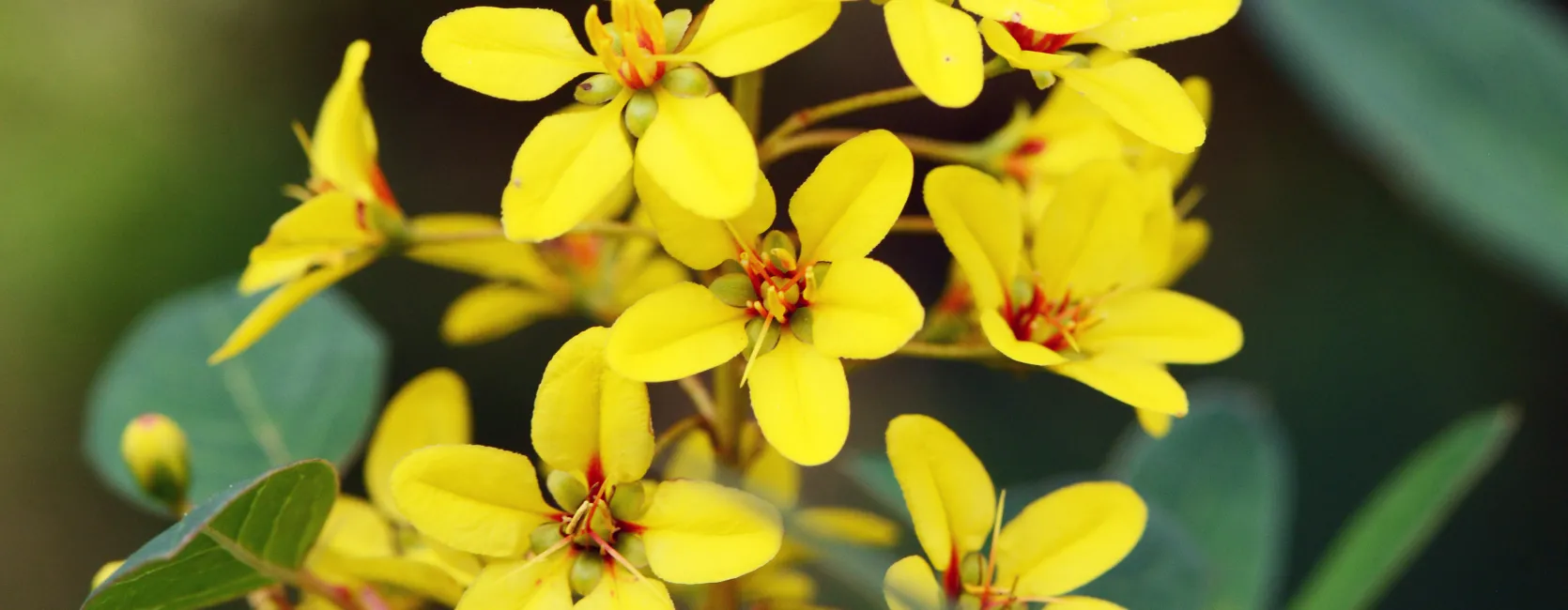
From The Plant Press, Vol. 26, No. 1, January 2023.
-Adapted from the Chinese Academy of Sciences
Plants in the genus Glycyrrhiza (Fabaceae) are an important biological resource and one of the bulk of traditional Chinese medicinal materials. Its medicinal functions have been known in many countries in Asia, Africa, and Europe since ancient times. The medicinal licorice species of this genus contain a variety of secondary metabolites, among which glycyrrhizic acid and liquiritin, which have the effects of eliminating phlegm and relieving cough. Glycyrrhiza and Glycyrrhizopsis make up the tribe Glycyrrhizeae. At present, the classification of this tribe is controversial, which affects its application to a certain extent.
In a newly published study, researchers extracted low-copy nuclear genes from genome shallow sequencing data, built trees together with chloroplast genome and ribosomal DNA, and combined morphological and specimen image recognition technologies for classification and phylogenetic research. The study found that the genus Meristotropis endemic to Central Asia should be merged into the genus Glycyrrhiza, so the genus contains 13 species; while its sister group Glycyrrhizopsis is endemic to the West Anatolian Plateau and only contains two species.

In the genus Glycyrrhiza, only species containing glycyrrhizic acid in the roots have medicinal value, and this trait originated twice in the genus independently. The medicinal taxa in Eurasia have a common ancestor, and their descendants all come from the rapid divergence events in the last one million years, which leads to serious morphological excess and the most chaotic species classification in this group. In this study, glycyrrhizic acid-containing Glycyrrhiza aspera, G. uralensis, and G. inflata were treated as variants of G. glabra, and several doubtful species were merged.
The research was led by Lei Duan and researcher Hong-Feng Chen from the Botany Center of the South China National Botanical Garden of the Chinese Academy of Sciences and was jointly completed by Jun Wen (Smithsonian’s National Museum of Natural History) and researchers from China, Russia, and Turkey. The research work is supported by the National Natural Science Foundation of China and the Science and Technology Plan of Guangdong Province. Relevant research results were published online in the Journal of Systematics and Evolution. In addition, the relevant results of previous family-level taxonomy research and spatiotemporal evolution research were published in PhytoKeys and Frontiers in Plant Science, respectively.